The Power of a Good QSR POS
27 May 2025 | By Pooja
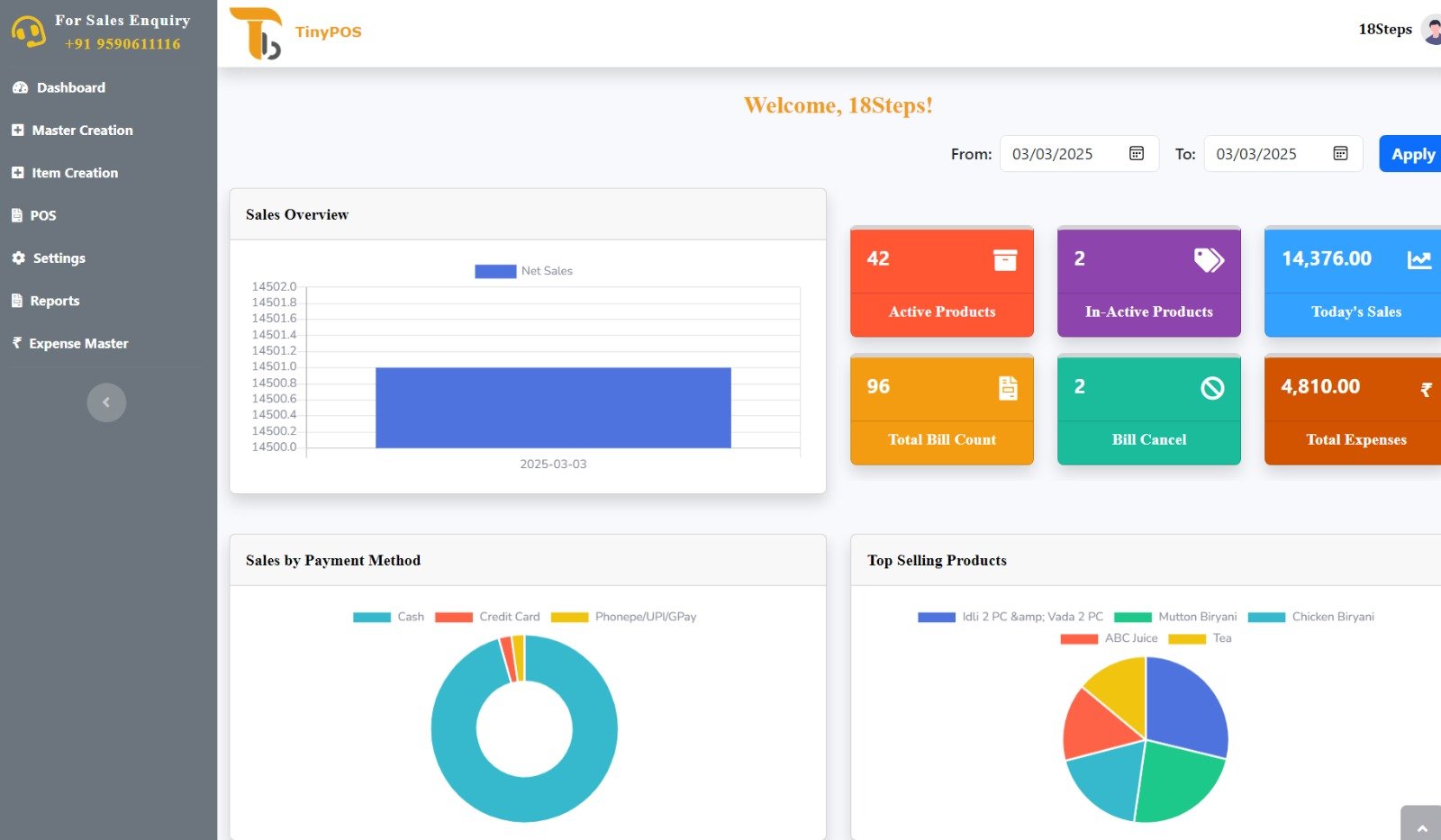
A foundation for QSR’s success is a robust cloud-based POS solution. Manual operations – common in multi-outlet QSRs without cloud-based systems – are time-consuming and prone to human errors. This can lead to operational inefficiencies, customer dissatisfaction, and missed revenue opportunities.
Essential Features for a QSR POS
- Quick Order Taking: A QSR POS should facilitate efficient order-taking to minimize wait times and enhance customer satisfaction. Cloud-based POS systems offer the speed and scalability necessary to handle high-volume orders without compromising accuracy.
- Online Order Integration: Given the significant contribution of online orders to QSR revenue, a POS should seamlessly integrate with various online platforms. This includes food aggregators, websites, and apps. The POS should be able to segregate orders based on their source, providing insights into the most effective channels.
- Streamlined Order Preparation: A QSR POS should optimize order preparation by providing real-time updates to the kitchen. This includes displaying incoming orders, estimated preparation times, and delivery assignments. A Kitchen Display System (KDS) can further enhance efficiency by visually guiding kitchen staff through the order process.
- Effective Stock Management: A robust POS system should track inventory levels across multiple outlets, generate alerts for low stock, and estimate future requirements based on consumption patterns. This helps prevent stockouts, reduce wastage, and optimize costs.
- Central Kitchen Management: A POS system should provide solutions for managing central kitchen operations for QSRs with multiple outlets. This includes recipe management, outlet stock requirements, and automated purchase order generation. A streamlined central kitchen can directly contribute to improved sales and overall efficiency.


 ©
©